Some homes seem to fight against the air conditioner no matter how low the thermostat is set. Rooms stay warm, the system runs for long stretches, and comfort remains uneven even though the equipment appears to be working. In many cases the problem is not a single major failure but a combination of factors that increase the cooling load or prevent conditioned air from doing its job effectively.
Understanding these factors helps homeowners identify why their house feels harder to cool than others nearby. Addressing the most significant ones often improves comfort and reduces strain on the system. When professional evaluation is needed, air conditioning services in Reno can help diagnose how these issues are affecting performance and recommend practical next steps.
1. Inadequate Insulation
Homes with insufficient insulation in the attic, walls, or floors allow heat to enter more easily. During hot weather, a poorly insulated attic can transfer significant heat downward into living spaces. The air conditioner must then remove that extra heat continuously, which lengthens run times and raises energy use. Improving attic insulation is often one of the highest-impact steps for reducing cooling difficulty.
2. Air Leaks and Poor Sealing
Gaps around windows, doors, electrical outlets, recessed lights, and plumbing penetrations let hot outdoor air infiltrate the house. These leaks also allow cooled air to escape. The combined effect increases the load on the air conditioner and creates drafts or warm spots. Sealing obvious gaps and weather-stripping doors and windows reduces the amount of unwanted heat entering the living space.
3. Inefficient or Aging Windows
Single-pane windows and older double-pane units with failed seals allow substantial heat gain, especially on sun-facing sides of the house. Solar radiation passing through glass can raise indoor temperatures quickly. Window coverings, reflective films, or eventual window upgrades help limit this heat gain and ease the burden on the cooling system.
4. Dark Roofing and Heat Absorption
Dark roofing materials absorb more solar energy and transfer heat into the attic. In hot climates this extra heat load can be substantial. Lighter-colored roofing, radiant barriers, or improved attic ventilation can reduce the amount of heat moving downward into the house and make cooling more manageable.
5. Undersized or Aging Air Conditioning Equipment
An air conditioner that is too small for the home’s current cooling load will run almost continuously without reaching the desired temperature. Aging equipment loses capacity over time as components wear and efficiency declines. In both cases the home feels harder to cool because the system simply cannot remove heat as quickly as it enters. Proper sizing and timely replacement decisions are essential for consistent comfort.
6. Ductwork Problems
Leaky, poorly insulated, or undersized ducts prevent cooled air from reaching rooms effectively. In many homes a significant portion of conditioned air escapes into attics or crawlspaces before it arrives at the registers. Rooms at the end of long duct runs often suffer most. Sealing and insulating ducts, along with verifying proper airflow, can restore comfort to previously difficult areas.
7. Restricted Airflow from Dirty Filters or Coils
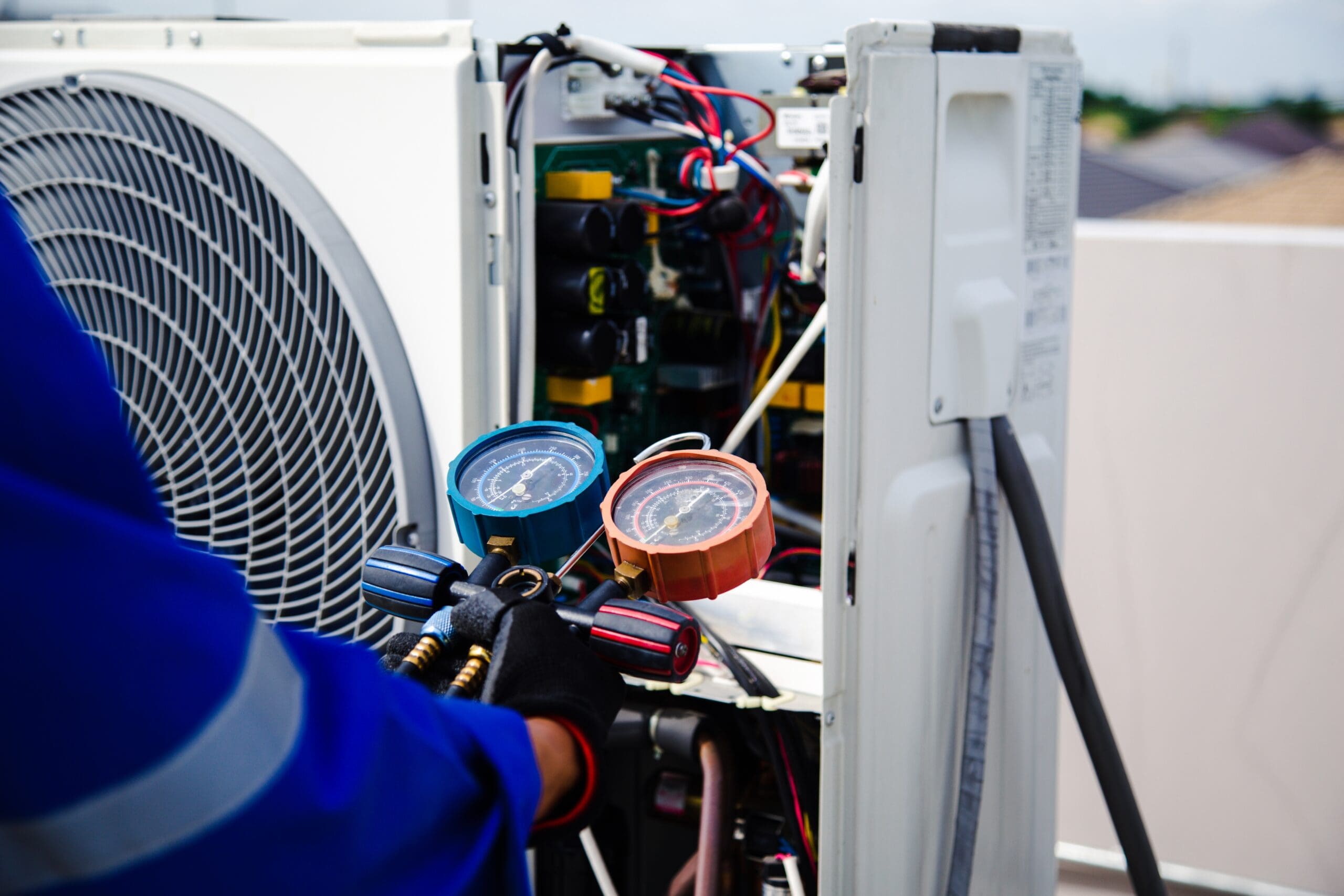
A clogged air filter or dirty evaporator coil reduces airflow across the cooling coil. With less air moving through the system, capacity drops and the home takes longer to cool. Outdoor condenser coils coated with dirt or debris create a similar problem by limiting heat rejection. Regular filter changes and periodic coil cleaning help maintain designed airflow and capacity.
8. Poor Air Circulation and Closed-Off Rooms
Furniture blocking registers, closed interior doors, or supply vents that have been shut off can disrupt balanced airflow. Some rooms then receive too little cooled air while others receive too much. Ceiling fans can help circulate air and improve perceived comfort, but they do not replace the need for proper delivery of conditioned air from the system.
9. High Internal Heat Sources
Everyday activities and equipment add heat inside the home. Cooking, bathing, lighting, electronics, and appliances all contribute. During the hottest parts of the day these internal loads compound the outdoor heat already entering the house. Shifting heat-producing activities to cooler hours and using exhaust fans can reduce the extra burden on the air conditioner.
10. Thermostat Location and Settings
A thermostat placed in direct sunlight, near a heat-producing appliance, or in a hallway with poor airflow can give inaccurate readings. The system may shut off before the rest of the house is comfortable or continue running longer than necessary. Setting the temperature unrealistically low also forces continuous operation without proportional gains in comfort. Proper thermostat placement and realistic settings support more effective cooling.
Addressing the Most Influential Factors
Not every home is affected equally by all ten factors. An attic with little insulation and leaky ducts will usually create more difficulty than a slightly aging thermostat. Prioritizing the largest sources of heat gain and airflow restriction typically produces the most noticeable improvement.
Read More: Identifying Plumbing Indicators Prior To Scheduling Slab Leak Detection
Combining simple homeowner steps such as filter changes, sealing obvious leaks, and using window coverings with professional evaluation of equipment and ducts often yields the best results.
Final Thoughts
Homes can become harder to cool for many overlapping reasons, ranging from weak insulation and air leaks to duct problems, dirty components, and equipment limitations. Identifying the specific factors at work in a given house makes it possible to focus effort where it will matter most. Improving the building envelope, restoring proper airflow, and ensuring the air conditioner is clean and correctly sized all contribute to better comfort and more reasonable run times. Taking a systematic look at these common issues helps homeowners move from constant frustration to more consistent indoor temperatures during hot weather.
Read More: Tankless vs. Traditional Water Heaters: Which Is Better for Busy Families?