A burst pipe can turn a minor plumbing problem into a large repair in a matter of minutes. Water can spread through walls, ceilings, floors, and personal belongings, creating expensive restoration costs if the problem is not addressed quickly. Understanding what happens during a professional repair visit helps homeowners know what to expect and why expert assistance is essential.
The Initial Assessment
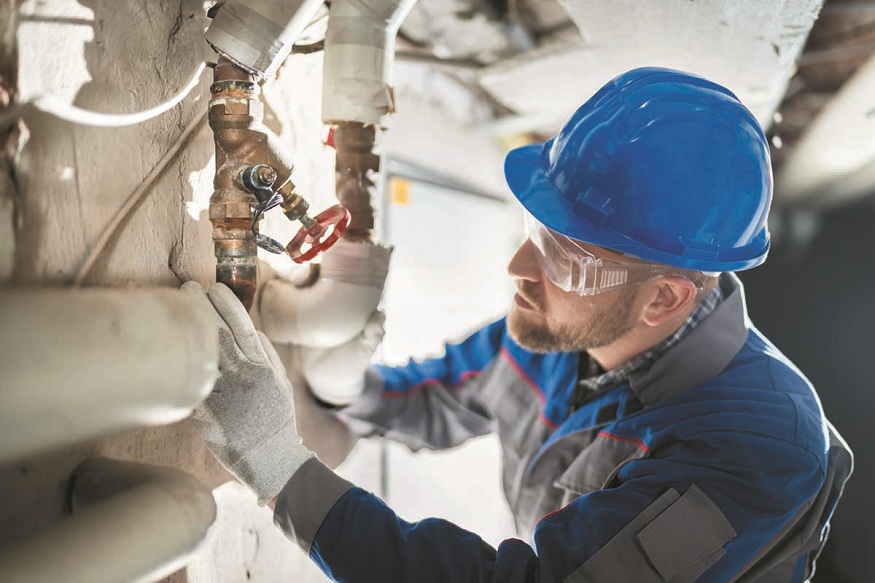
When a plumbing professional arrives, the priority is to assess the situation. Before beginning repairs, the technician identifies the source of the burst and evaluates how much damage has occurred. In some cases, the visible leak is only part of the problem, while hidden sections of piping may also require attention.
During this stage, homeowners often search online for Pipe repair near me to find a qualified service capable of responding quickly to emergencies. Prompt professional attention helps reduce water damage and prevents additional plumbing complications.
Water Supply Is Safely Shut Off
Before any repair work begins, the affected water supply is turned off. This prevents additional water from escaping through the damaged pipe while repairs are underway. If the burst has affected only one section of the plumbing system, technicians may isolate that portion instead of shutting off the entire property’s water supply.
Professionals also ensure that any remaining pressure inside the pipe is safely released before beginning repair work. This step protects both the plumbing system and the repair team.
Read More: Prevent Costly Breakdowns with Professional Cooling System Care
A Thorough Inspection Of The Plumbing System
Repairing a burst pipe involves more than replacing one damaged section. Experienced plumbers inspect nearby pipes, fittings, joints, and valves to determine whether other areas show signs of corrosion, excessive wear, freezing damage, or high water pressure problems.
A comprehensive inspection helps identify conditions that may have contributed to the pipe failure, reducing the likelihood of another burst occurring in the future.
Damaged Pipe Sections Are Removed
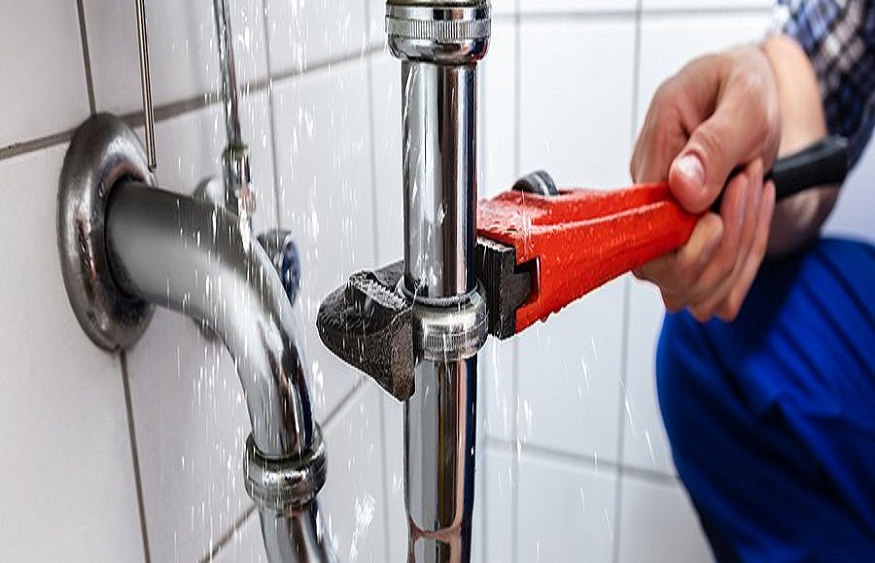
Once the damaged area has been identified, the affected section of pipe is carefully removed. Professionals use specialized tools designed to minimize disruption to surrounding walls, flooring, or ceilings whenever possible.
The repair method depends on several factors, including:
Pipe Material
Different plumbing materials require different repair techniques. To guarantee a long-lasting repair, there are particular installation and replacement techniques for copper, PEX, galvanized steel, and cast iron pipes.
Location Of The Damage
A pipe hidden behind a wall may require careful access before repairs begin, while exposed plumbing can often be repaired much more quickly.
Installation Of New Components
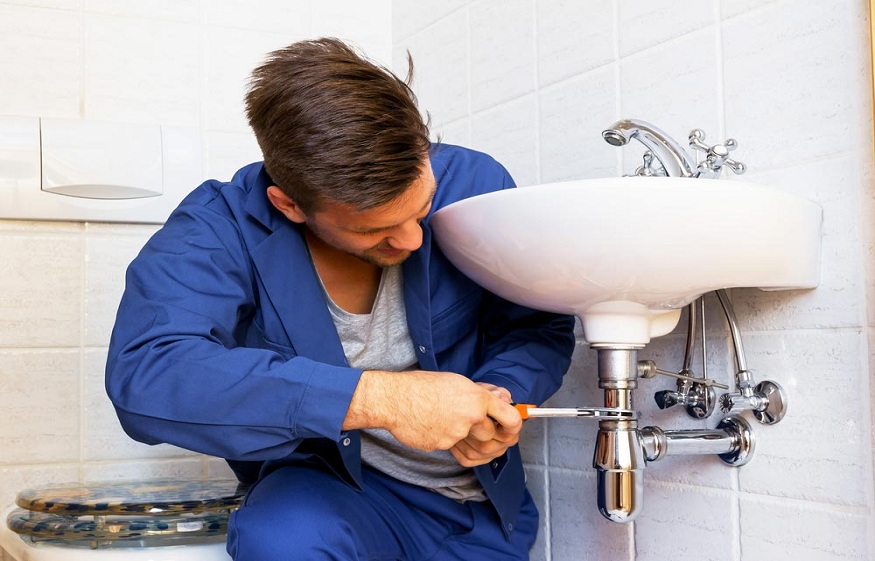
After removing the damaged section, the technician installs a replacement pipe or fitting that matches the existing plumbing system. Every connection is securely sealed to prevent future leaks.
Professional plumbers use industry-approved materials and proper installation methods to ensure the repaired section performs reliably under normal water pressure. Temporary fixes are avoided because they rarely provide a lasting solution for burst pipes.
Pressure Testing And Leak Detection
Once the repair is complete, the water supply is gradually restored. The repaired section is then tested under normal operating pressure to verify that no leaks remain.
Technicians carefully inspect every new connection and surrounding area for signs of moisture. Modern leak detection equipment may also be used when necessary to confirm that hidden leaks have not been overlooked.
This testing phase provides confidence that the plumbing system is functioning properly before the repair visit is completed.
Read More: The Enduring Power of Design in Customer Perception
Cleanup And Preventive Recommendations
Professional service does not end with fixing the pipe. After completing the repair, plumbers clean the work area and remove damaged pipe materials.
Many technicians also provide practical recommendations for preventing future pipe failures. These suggestions may include insulating exposed pipes, monitoring water pressure, replacing aging plumbing components, or scheduling periodic plumbing inspections. Preventive maintenance often costs far less than repairing extensive water damage caused by another burst pipe.
Conclusion
A professional burst pipe repair visit follows a structured process designed to restore the plumbing system safely and efficiently. From the initial inspection and water shutoff to precise repairs, pressure testing, and preventive advice, every step focuses on protecting the property from further damage. By relying on experienced professionals, homeowners can restore normal water service while reducing the risk of future plumbing emergencies.